Subscribe to updates
You'll receive weekly summaries about Warwickshire Council every week.
If you have any requests or comments please let us know at community@opencouncil.network. We can also provide custom updates on particular topics across councils.
Adult Social Care and Health Overview and Scrutiny Committee - Friday 21 November 2025 10.00 am
November 21, 2025 View on council website Watch video of meeting Read transcript (Professional subscription required)Summary
The Adult Social Care and Health Overview and Scrutiny Committee are scheduled to discuss the prioritisation of NHS services, including a review of gluten-free prescribing, and to review the latest integrated performance report. They will also discuss direct payments to service users.
Prioritisation of NHS Services and Gluten-Free Prescribing
The committee is scheduled to receive a presentation from the Coventry and Warwickshire Integrated Care Board (ICB) on its prioritisation programme. The ICB is responsible for ensuring NHS resources are used effectively, making evidence-based decisions that address health needs and inequalities.
Prioritisation Methodology
Faced with serious financial pressures, the ICB has developed a new approach to prioritisation, bringing together existing methods into one consistent and transparent methodology. This approach assesses services based on seven key areas:
- Alignment with NHS strategy
- Population need
- Impact on health inequalities
- Clinical effectiveness and risk
- Value for money
- Connection with other services
- Deliverability
Four of these areas are scored and weighted to give an overall rating, ranging from 'Stop' to 'Expand'. The ICB Senior Leadership Team then considers these ratings and supporting evidence to make recommendations. The report pack states that this approach aims to ensure that every pound spent delivers the best possible value for patients and communities, protecting essential services and ensuring the local NHS remains sustainable.
Gluten-Free Prescribing
As part of the prioritisation process, the ICB has reviewed the case for continuing to provide gluten-free (GF) foods on prescription for adults and children diagnosed with coeliac disease or dermatitis herpetiformis. Currently, the ICB spends £240,000 per year on prescriptions of GF foods, limited to bread and mixes, capped at 8–10 units per month.
The report pack notes that in 2017, the Department of Health & Social Care restricted GF prescribing to a limited list of items under the NHS Drug Tariff1. NHS England guidance empowers ICBs to further restrict or fully decommission GF prescribing, provided they consider their legal duties around equality and health inequalities.
The report pack states that approximately one-third of ICBs in England have decommissioned GF prescribing, including all East Midlands ICBs and several in the West Midlands. The report pack suggests that this shift reflects a growing consensus that GF prescribing is not clinically essential, given the wide availability of GF products in supermarkets and the existence of naturally GF alternatives.
Engagement Findings
The ICB conducted a survey to understand the impact of reducing or stopping GF prescribing, receiving 232 responses. Key themes from the survey included:
- Affordability and Cost of Living: Concerns over the increased cost of GF foods, estimated to be 35% more expensive than standard equivalents.
- Dietary Adherence: Concerns that decommissioning could lead to reduced adherence to a GF diet, especially among lower-income households.
- Product Availability and Quality: Concerns about the availability and quality of GF products in retail settings.
- Health Inequalities and Equity of Access: Concerns about potential impacts on Core20PLUS5 populations2 and inconsistencies in prescribing practices.
Options Considered
The ICB considered four options for GF prescribing:
- Retain the status quo
- Restrict to patients with financial hardship only
- Restrict to children only
- Decommission GF prescribing completely
The Senior Leadership Team (SLT) agreed that the preferred option to recommend to the Finance and Performance Committee was to decommission GF prescribing completely. The report pack states that the SLT considered that there is no evidence that ceasing prescribing gluten free foods has any demonstrable health impact and therefore it represents poor value for money.
Committee Input
The committee is asked to review the paper and engagement report and determine whether the information is sufficient to proceed with the proposed service change, or whether further public engagement is required.
Quarter 2 Integrated Performance Report 2025/26
The committee is scheduled to receive the Quarter 2 Integrated Performance Report 2025/26, which provides a retrospective summary of organisational performance against the strategic priorities and areas of focus set out in the Council Plan 2022-2027.
Key Business Measures
The Performance Management Framework includes 89 Key Business Measures (KBMs), of which 67 were available for reporting at Quarter 2. 65.7% of KBMs are classified as delivering or achieved, a reduction from Quarter 1 when 74% were delivering. 12 KBMs are attributable to the Adult Social Care and Health OSC, with all 12 being reported on at Quarter 2. Of the 12, 66.7% (8) are delivering.
Areas where performance is strong include the smoking quit rate at 4 weeks. Other areas remain a challenge, including the percentage of Adult Social Care service users receiving a Direct Payment at the end of the month, which is consistently below the preferred target of 25%.
Financial Performance
At the end of Quarter 2, the services reporting to the Adult Social Care and Health OSC are forecasting a cumulative net service overspend of £5.525m, equivalent to 1.9% of their revenue budget. Saving targets are forecast to be underachieved by £4.254m, representing 30% of the current year's target.
Risk Management
The strategic and directorate risk profiles have remained stable this quarter. The strategic risk management framework is under review, and the refreshed framework will be presented to Cabinet at its December meeting.
One red risk has been identified: sustained demand for services and current market forces continue to put financial pressure on Adult Social Care services and the Council's resilience and sustainability.
Value for Money Programme
The report pack states that from the Quarter 3 report onwards, the quarterly performance report will include a summary update on the Value for Money programme, including progress with the Council's Digital Transformation programme, encompassing AI and automation projects.
Direct Payments
The committee is scheduled to discuss direct payments. The Minutes of the Previous Meeting Adult Social Care and Health OSC 17 September 2025 show that at the previous meeting, Councillor Kate Rolfe suggested that the committee revisit the topic of direct payments in greater depth, with a dedicated agenda item to be scheduled for a future meeting. Councillor Tracey Drew agreed that further scrutiny of arrangements for direct payments was warranted, including a comparison between the experience in Warwickshire and the national picture, and consideration of whether the 25% target for uptake had been set at a realistic and achievable level.
The Work Programme Cover Report November 2025 states that a low proportion of older service users are opting to receive a direct payment. The report pack suggests that the discussion could include promotion of the service and career potential, national and focused recruitment efforts, challenges in securing care at a reasonable price, and making it easier for people to use the direct payment option.
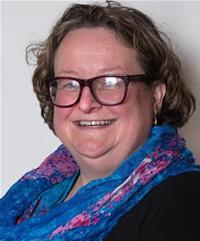
Councillor Anne-Marie Sonko is the Portfolio Holder for Adult Social Care and Health. Pete Sidgwick is the Director of Social Care and Support, and Zoe Mayhew is the Director of Social Care and Health Commissioning.
-
The NHS Drug Tariff is a monthly publication containing details of prices for drugs, medicines and appliances supplied by pharmacists in England and Wales. ↩
-
Core20PLUS5 is an NHS England approach to reduce health inequalities. The 'Core20' represents the 20% most deprived of the national population, and 'PLUS5' represents five specific clinical areas: children and young people, maternity, mental health, severe mental illness, and learning disability and/or autism. ↩
Attendees






Topics
No topics have been identified for this meeting yet.
Meeting Documents
Agenda
Reports Pack
Additional Documents