Limited support for Powys
We do not currently provide detailed weekly summaries for Powys Council. Running the service is expensive, and we need to cover our costs.
You can still subscribe!
If you're a professional subscriber and need support for this council, get in touch with us at community@opencouncil.network and we can enable it for you.
If you're a resident, subscribe below and we'll start sending you updates when they're available. We're enabling councils rapidly across the UK in order of demand, so the more people who subscribe to your council, the sooner we'll be able to support it.
If you represent this council and would like to have it supported, please contact us at community@opencouncil.network.
Cabinet - Tuesday, 17th December, 2024 10.00 am
December 17, 2024 Cabinet View on council website Watch video of meetingSummary
Open Council Network is an independent organisation. We report on Powys and are not the council. About us
This meeting’s agenda included two reports, including a new Sustainable Resource Strategy for Powys from 2025 to 2030. The meeting also included a report about school funding.
Powys Sustainable Resource Strategy 2025-2030
This report proposed a new strategy for how the waste and recycling service will be delivered in Powys. The current Sustainable Resource Strategy expires at the end of 2024. The new strategy will be in place from 2025 to 2030.
The strategy proposed an engagement exercise to seek the views of residents and businesses on the strategy.
The report noted that:
‘Resource’ in this context refers to the waste and recycling collected, sorted and sent for processing by Powys Country Council. As all material is either re-used, recycled or used for energy recovery, the term ‘waste and recycling’ is an outdated one and does not reflect the current situation and future aspirations.
Powys County Council has a statutory duty to meet recycling targets set by the Welsh Government under the Environment (Wales) Act 2016. The current target for local authorities in Wales is to recycle 70% of waste. Failure to achieve this target could result in fines being imposed. The report proposed actions designed to achieve this target.
The report noted that the council declared a Climate Emergency in 2020 and committed to decarbonising its operations. The report claimed that The Sustainable Resource Strategy would be a key part of the decarbonisation strategy by moving the council’s waste and recycling services towards a circular economy.
A circular economy is an economic model designed to eliminate waste and pollution by keeping products and materials in use. It is an alternative to a traditional linear economy in which we take, make and dispose of resources.
The report identified a number of national policies that are relevant to the new strategy.
Extended Producer Responsibility (EPR)
Extended Producer Responsibility is a policy that will require businesses that produce packaging to pay for the full cost of managing it at the end of its life. It is intended to encourage businesses to design packaging that is more easily recyclable.
Deposit Return Scheme (DRS)
A Deposit Return Scheme will charge consumers a deposit on drinks containers. The deposit will be refunded when consumers return the container to a designated collection point.
Emissions Trading Scheme (ETS)
The Emissions Trading Scheme is a market-based system designed to reduce greenhouse gas emissions. It sets a limit on the amount of certain greenhouse gasses that can be emitted by businesses in certain sectors. Businesses are then required to either reduce their emissions or purchase allowances from businesses that have reduced their emissions below their limit. The report noted that under the scheme, local authorities could face significant financial costs associated with the use of Energy from Waste plants.
The report also identified a number of local drivers for change in the council’s waste and recycling services.
Sustainable Powys
Sustainable Powys is the name the council has given to its strategy to deliver services in the face of budget cuts and climate change. The strategy is designed to make the council financially, socially, and environmentally sustainable.
Powys Climate Emergency Declaration
The council declared a Climate Emergency in 2020 and has committed to becoming carbon net zero by 2030. The report identified the provision of waste and recycling services as playing a critical role in decarbonising the council’s operations.
The strategy outlined five key aims.
Reduce, Reuse, Repair. This section of the report focused on upstream interventions in the waste system. It included proposals to reduce food waste, increase the lifespan of products, promote reuse, and support the development of a circular economy.
-
Recycling. The report noted that in 2022/23 the council recycled 68.1% of the waste it collected. The report set out a number of proposals for increasing the recycling rate to 70% by 2025, including exploring opportunities to recycle new materials at the kerbside, such as small electrical items and textiles. The report also proposed a review of the types of containers used for kerbside recycling collections to ensure they are fit for purpose and cost-effective. The report said that:
We will consider introducing an enforcement policy for residents who consistently refuse to recycle their waste at the kerbside, where other methods of encouraging recycling have not proved effective.
Household Waste Recycling Centres (HWRCs). The report proposed increasing the recycling rate at the council’s five HWRCs to above 85%, increasing the number of items reused and rebranding the sites as Household Recycling Centres (HRCs) to promote recycling and reuse over waste disposal.
-
Awareness and Enforcement. The report proposed a number of actions to reduce fly-tipping and littering by working with partners and communities. The report noted an increase in the illegal dumping of waste since the beginning of the cost of living crisis in 2022:
We will proactively engage with residents and workplaces through practical advice and support if they are struggling to manage their waste.
-
Infrastructure. The report argued that to meet the aims set out in the strategy, the council would need to invest in its waste and recycling infrastructure. The report highlighted the need to increase the council’s capacity to collect and store new materials and ensure that its facilities comply with environmental permitting requirements. It also noted that the council’s vehicle fleet would need to be upgraded to meet its target of being carbon net zero by 2030. The report identified a need to transition the council’s fleet to Ultra Low Emission Vehicles (ULEVs).
ULEVs are vehicles that emit less than 75g of CO2 per kilometre.
An appendix to the report contained a draft communications and engagement plan, developed in consultation with WRAP Cymru. WRAP is a climate action NGO working to create a world in which resources are used sustainably.
Schools Delegated Funding 2025/26
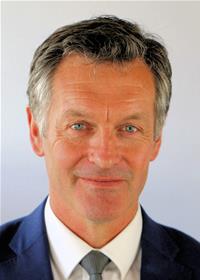
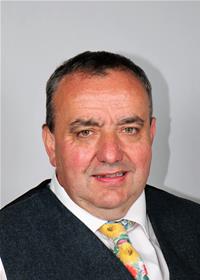
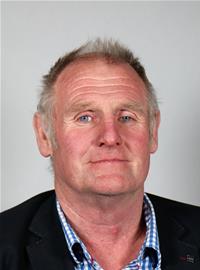
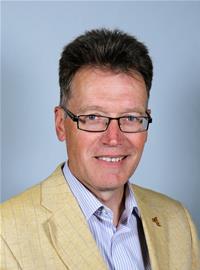
This report was presented to the meeting by Councillor Pete Roberts, Cabinet Member for a Learning Powys and Councillor David Thomas, Cabinet Member for Finance and Corporate Transformation.
The report proposed a new method for calculating the amount of funding delegated to schools in Powys.
Attendees





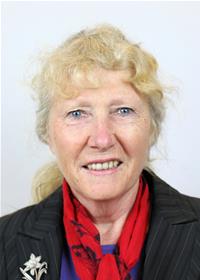


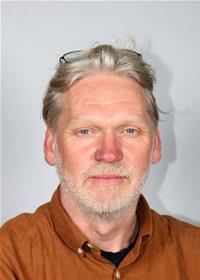


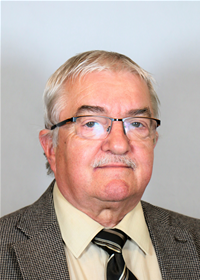
Topics
No topics have been identified for this meeting yet.
Meeting Documents
Agenda
Reports Pack
Additional Documents