Subscribe to updates
You'll receive weekly summaries about Kent Council every week.
If you have any requests or comments please let us know at community@opencouncil.network. We can also provide custom updates on particular topics across councils.
Governance and Audit Committee - Thursday, 3rd July, 2025 10.00 am
July 3, 2025 Governance and Audit Committee View on council website Watch video of meeting Read transcript (Professional subscription required)Summary
Open Council Network is an independent organisation. We report on Kent and are not the council. About us
The Governance and Audit Committee of Kent County Council met on Thursday 03 July 2025 to discuss the external audit plan for Kent Pension Fund and Kent County Council, the corporate risk register, and updates on counter fraud and internal audit activities. Key decisions included noting the external audit plans, approving the corporate risk register, and noting the progress of counter fraud and internal audit reports.
External Audit Plan for Kent Pension Fund 2024-25
Parris Williams from Grant Thornton presented the external audit plan for the Kent Pension Fund for the 2024-25 financial year. The plan outlined significant risks, including management override of controls, valuation of Level 3 investments, and valuation of directly held properties. Materiality for the fund was set at £122.1 million for investment assets and £35.3 million for the fund account. The audit team confirmed that the plan was consistent with the prior year and that IFRS 16 implementation did not affect the Pension Fund. Members raised questions regarding the Council's stake in various companies, potential conflicts with state aid rules, and the process of loans to schools and outside organisations. Ben Watts, General Counsel, offered to arrange a briefing on the governance arrangements and financial arrangements of these companies. Dr. David Horne inquired about the IT audit strategy concerning the Oracle programme, and Mr. Dossett explained that while general assurance work would be performed, the focus would be on substantive testing rather than operational effectiveness of IT controls. Mr. Mark Hood raised concerns about asset disposal policies and the potential for asset stripping, particularly in light of potential local government reorganisation. Mr. Dossett assured the committee that while the Council was not currently under an exceptional financial support programme, the risk of selling assets for revenue purposes was being monitored.
Corporate Risk Register
Mark Scrivener, Head of Risk and Delivery Assurance, presented the Corporate Risk Register, highlighting that it contained 18 risks, 13 of which were rated as 'High'. Since the last report in January 2025, a new risk, CRR0066 – Adult Social Care and Health (ASCH) Directorate Recommissioning Programme, had been added. The risk rating for CRR0059 – Risk of significant adverse variance to the level of savings and income agreed in KCC's budget – had been reduced, although it remained 'High'. Revised risks included CRR0068 (Delivery Against Safety Valve Agreement) and CRR0067 (SEND Delivery Improvement), which were separated to reflect their evolving risk profiles. CRR0042 (Border fluidity, infrastructure and resilience) was to be reviewed following updated scenario modelling data, and CRR0052 (Adaptation of KCC Services to climate change impacts) was revised to focus on adapting services to climate change impacts. Members were invited to consider if any corporate risks or mitigating controls required more in-depth review.
Counter Fraud Annual Report 2024-25
James Flannery, Counter Fraud Manager, presented the Counter Fraud Annual Report for 2024-25. He noted an 11% increase in irregularity referrals compared to the previous year, indicating greater awareness of the need to report such issues. Significant increases in referrals were seen in contract management, No Recourse to Public Funds (NRPF), and Blue Badge misuse. The National Fraud Initiative (NFI) had identified £230,000 in savings. Mr. Alister Brady raised questions about the percentage of recoverable losses and the resources allocated to the Counter Fraud team, suggesting that increased resources could lead to more work being done. Mr. Flannery explained that while the team works with management on recovery, the debt recovery itself is handled by another team. He also confirmed that the increase in referrals was partly due to awareness campaigns, and that the team aimed to identify root causes of fraud to prevent future occurrences. The committee noted the report and approved the Counter Fraud Action Plan for 2025-2026.
Internal Audit Progress Report
Debbie Chisman and Russell Smith provided an update on the Internal Audit Progress Report for the period January to June 2025. They reported that 55% of the 2024-25 audit plan had been delivered, with 45% currently in progress. The implementation rate for agreed management actions had improved to 62% from 31%. Several audits received positive assurance ratings, including Treasury Management and Data Security and Protection Toolkit, both receiving 'High' assurance. The KCC Incident Response Plan and the School's Fiend Review received 'Substantial' assurance. Areas for development were noted in the alternative provision for pupil referral units, key decision-making processes, and the basic needs and high needs allocation capital programme. No audits were assigned 'Limited' or 'No Assurance'. Mr. Mark Hood raised concerns about the lack of KPIs for pupil referral units and the low uptake of training for management committee members. Sarah Hammond, Corporate Director for Children, Young People and Education, clarified that PRUs are regulated by Ofsted and that while training is available, it is not mandatory. Ms. Camilla Black inquired about the impact of slippage from the 2024-25 plan on the 2025-26 plan and the reasons for delays in the 'Impressed Funds' audit. Mr. Watts confirmed that the Oracle Cloud programme workflow would automatically include finance business partners. The committee noted the report.
External Audit Plan for Kent County Council 2024-2025
Lucy Nutley from Grant Thornton presented the external audit plan for Kent County Council for 2024-2025. Significant risks identified included management override of controls, valuation of land and buildings, valuation of the pension fund net asset/liability, and the implementation of IFRS 16. The plan also highlighted areas of significant weakness in financial sustainability and governance, with an improvement recommendation for the response to internal audit recommendations. Mr. Richard Palmer questioned the Council's stake in various companies and potential conflicts with state aid rules, to which Ben Watts offered a detailed briefing. Dr. David Horne asked about the IT audit strategy for Oracle, and Mr. Dossett explained the focus on substantive testing. Mr. Mark Hood raised concerns about asset disposal policies and the potential for asset stripping. Mr. Brady inquired about the progress of IFRS 16 implementation and the Council's financial position, particularly regarding adult social care overspends and maturing debt. Ms. Black sought clarification on the approach to value for money, particularly concerning commercial services group dividends and the use of reserves. Mr. Dossett advised the committee to consider deep dives into specific financial areas. The committee noted the external audit plan.
Treasury Update Report
John Betts presented the Treasury Management Outturn Report for 2024-25. The Council's external borrowings stood at £732.56 million at year-end, a reduction of £39 million. Investments totalled £475.01 million, an increase of £22 million, mainly due to improved valuations on strategic pooled funds. The Council achieved a saving of £1.9 million against interest costs. Mr. Alister Brady questioned the view on money market funds, given that some investment funds had lost value. Mr. Betts assured that money market funds would be reviewed as part of the ongoing strategy. The committee endorsed the report and recommended its submission to the County Council.
Counter Fraud Progress Report 2024-25 (Exempt) and Internal Audit Progress Report (Exempt)
The committee moved to exempt items concerning the Counter Fraud Progress Report and the Internal Audit Progress Report. A point of order was raised by Mr. Brady regarding the exemption of these items, arguing that the public interest outweighed the need for exemption. Ben Watts, General Counsel, explained that the information contained sensitive business affairs and potential future risks to the organisation and individuals. After discussion, the committee agreed to proceed with the exempt items.
Internal Audit Progress Report
Debbie Chisman and Russell Smith presented the Internal Audit Progress Report. They highlighted that 55% of the 2024-25 audit plan was complete, with 20 audits in progress. Implementation rates for management actions had improved to 62%. Key strengths were noted in Treasury Management and Data Security and Protection Toolkit audits, both receiving 'High' assurance. The KCC Incident Response Plan and School's Fiend Review received 'Substantial' assurance. Areas for development were identified in alternative provision for pupil referral units, key decision-making processes, and the basic needs and high needs allocation capital programme. Mr. Mark Hood raised concerns about the lack of KPIs for pupil referral units and low training uptake among management committee members. Sarah Hammond, Corporate Director for Children, Young People and Education, clarified that PRUs are Ofsted-regulated and that while training is offered, it is not mandatory. Ms. Camilla Black inquired about the impact of slippage on the 2025-26 audit plan and the reasons for delays in the 'Impressed Funds' audit. Mr. Watts confirmed that the Oracle Cloud programme workflow would automatically include finance business partners. The committee noted the report.
Internal Audit Plan 2025-26
Jonathan Idle, Head of Internal Audit, presented the proposed Rolling Internal Audit Plan for 2025-26. The plan includes 45 priority audits and 56 on a reserve list, with a total of 1,250 days available for KCC work. The rolling plan allows for flexibility to incorporate emerging risks. The committee agreed to the proposed plan, subject to emerging issues and assurance requirements. Mr. Brady inquired about the number of days allocated to KCC work within the 1,250 days, and Mr. Hood asked for more detail on the audit of property disposals. Mr. Idle agreed to provide further details outside the meeting.
Treasury Update Report
John Betts presented the Treasury Management Outturn Report for 2024-25. The Council's external borrowings stood at £732.56 million at year-end, a reduction of £39.33 million. Investments totalled £475.01 million, an increase of £22 million, primarily due to improved valuations on strategic pooled funds. The Council achieved a saving of £1.9 million against budgeted interest costs. Mr. Alister Brady questioned the view on money market funds, given that some investment funds had lost value. Mr. Betts assured that these would be reviewed as part of the ongoing strategy. The committee endorsed the report and recommended its submission to the County Council.
Exempt Items
The committee moved to exempt items concerning the Counter Fraud Progress Report and the Internal Audit Progress Report. A point of order was raised by Mr. Brady regarding the exemption of these items, arguing that the public interest outweighed the need for exemption. Ben Watts, General Counsel, explained that the information contained sensitive business affairs and potential future risks to the organisation and individuals. After discussion, the committee agreed to proceed with the exempt items.
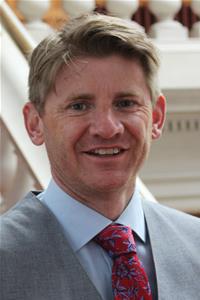
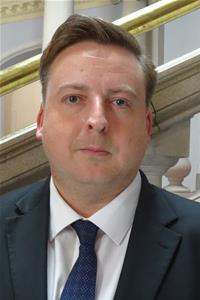
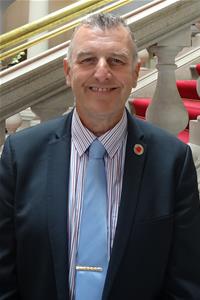
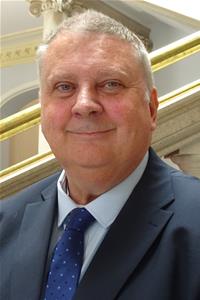
Attendees



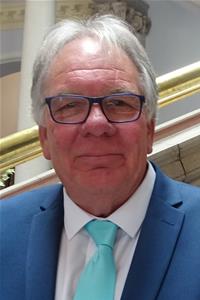


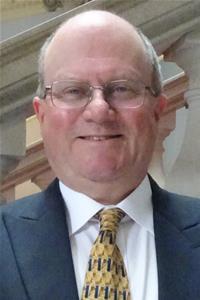
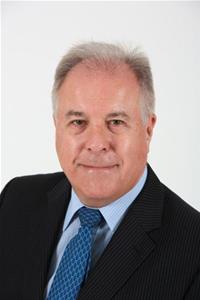
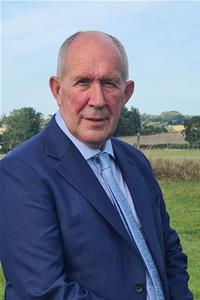

Topics
No topics have been identified for this meeting yet.
Meeting Documents
Additional Documents