Subscribe to updates
You'll receive weekly summaries about Barnet Council every week.
If you have any requests or comments please let us know at community@opencouncil.network. We can also provide custom updates on particular topics across councils.
Children and Education Overview and Scrutiny Sub-Committee - Thursday 12th March, 2026 7.00 pm
March 12, 2026 at 7:00 pm Children and Education Overview and Scrutiny Sub-Committee View on council websiteSummary
Open Council Network is an independent organisation. We report on Barnet and are not the council. About us
The Children and Education Overview and Scrutiny Sub-Committee meeting on 12 March 2026 discussed educational standards in Barnet, with a particular focus on the attainment of disadvantaged and Black pupils, and the overall high quality of Barnet's schools, with all now rated as 'Expected Standard or better' by Ofsted. The committee also reviewed updates on family services, including transition planning for young people, the outcomes of an Ofsted focused visit to the care leavers service, and Barnet's response to national social care reforms. Additionally, the meeting covered the annual childcare sufficiency assessment, task and finish group updates on fostering and young carers, and the Cabinet forward plan.
Educational Standards in Barnet 2024/25
Barnet's schools continue to perform exceptionally well, with 99% rated as 'Good' or 'Outstanding' by Ofsted by July 2025, and all schools achieving 'Expected Standard or better' under the revised Ofsted framework. This places Barnet in a Champions League position
nationally.
A key concern raised was the persistent attainment gap for disadvantaged pupils and, specifically, Black Caribbean and Mixed White and Black Caribbean pupils. While overall attainment for disadvantaged pupils in Barnet is better than the national average, and the gap is narrowing, further work is needed. A research project has been launched, involving visits to nine schools, to understand the factors impacting attainment and engagement for these cohorts. Next steps include a conference in July to explore raising Black achievement in schools, with initiatives such as liaising with Black Men Teach
and exploring collaborations with Middlesex University.
The meeting also highlighted strong performance in early years, phonics, and Key Stage 2, with Barnet consistently ranking in the top 10% of local authorities nationally for many measures. However, a concerning drop in attainment and ranking for Black and Mixed pupils at Key Stage 2 was noted.
At Key Stage 4, Barnet's Attainment 8 score and the percentage of pupils achieving a grade 5 or above in English and Maths remain in the top 5% nationally. While disadvantaged pupils in Barnet also outperform national averages, the gap between disadvantaged and non-disadvantaged pupils has widened slightly. Ethnic group performance at secondary level shows high achievement for Asian, White, and Mixed pupils, but Black pupils and those from 'Any Other Ethnic Group' perform relatively less well compared to national averages.
Post-16 academic attainment at A-level is strong, placing Barnet in the top 10% of local authorities. However, attainment in vocational qualifications (Tech Levels and Applied General) is an area for development, with ongoing work to raise the profile and quality of these pathways. Barnet also excels in post-16 engagement, with a significantly low percentage of young people not in education, employment, or training (NEET).
Key priorities for the coming year include improving attendance and reducing exclusions in Pupil Referral Units, supporting weaker readers transitioning to Key Stage 3, enhancing vocational results at Key Stage 5, expanding progress and progression pathways, and addressing the achievement gaps for disadvantaged pupils, pupils with SEND, and other vulnerable groups. The mental health and wellbeing of pupils, alongside recruitment and retention of staff, were also identified as crucial priorities.
Annual Childcare Sufficiency Assessment 2025
Barnet's Childcare Sufficiency Assessment indicates no immediate concerns regarding the availability of childcare places across the borough. The focus is on increasing uptake of the funded early years entitlement, managing demographic changes, and addressing challenges in workforce recruitment and retention. The expansion of the funded childcare offer for working families, including 30 hours for children from 9 months old, has been successfully rolled out with no evidence of a strain on sufficiency. Wraparound childcare provision for primary school-aged children is also progressing, with 58% of schools now offering the full 8am-6pm service.
Family Services Quarterly Update
The Family Services update highlighted a stable position with a transition towards more families being supported by Early Help services, leading to fewer referrals to Children's Social Care. Timeliness of assessments has been improving, though December saw a seasonal dip due to school closures. Safeguarding performance remains stable, with strong compliance in Child Protection visits. Corporate Parenting data shows high consistency, with improvements in Education, Employment, and Training (EET) figures for care leavers. The report also detailed the ongoing work on transition planning for young people, including the establishment of a Joint Transitions Tracking Panel to improve multi-agency coordination and reduce risk. An Ofsted focused visit to the Care Leavers Service found strong pathway planning and positive feedback from care leavers, though areas for improvement included the management of moves into accommodation and capturing young people's voices in audits. Barnet is well-prepared for the national Children's Wellbeing and Schools Bill and the wider social care reform agenda through its Families First Programme.
Task and Finish Group Updates
Fostering Task and Finish Group: The group reported on efforts to recruit and retain foster carers, noting a national decline in numbers. Barnet has exceeded its recruitment target for the year, with 15 new foster carers recruited. Recommendations include providing Councillors with social media materials for recruitment, incorporating fostering information into political group meetings, appointing a Councillor as a Fostering Champion, enhancing Member Development Programme training on fostering, and exploring Council Tax exemptions and free parking permits for foster carers. The group also recommended investigating the implementation of the Mockingbird scheme and reviewing feedback triangulation between foster carers and social workers. Cabinet accepted most recommendations, with financial modelling required for Council Tax exemptions and parking permits.
Young Carers Task and Finish Group: This group highlighted that many young carers in Barnet remain unidentified, despite an estimated 6,500 aged 5-17 living in the borough. Recommendations focus on increasing awareness and identification through schools, GPs, and health partners, building on the 'Think Young Carer' campaign. Specific actions include adding a question about young carer status to the Year 6 to Year 7 Transition Document, using the School Census to track identified young carers, and expanding information on the Barnet Local Offer website. The group also recommended lobbying Parliament to extend the definition of 'young carer' to age 25. Cabinet accepted most recommendations, with a commitment to explore Council Tax exemptions and parking permits for foster carers, and to investigate the Mockingbird scheme.
Cabinet Forward Plan
The Cabinet Forward Plan for 2026 was presented, outlining upcoming key decisions. These include the Medium Term Financial Strategy and Budget for 2026-2031, interim special educational needs provision at Queenswell Federation site, the Our Plan for Barnet Corporate Plan Review, annual reviews of rents and service charges, and the Annual Procurement Forward Plan. Other items include updates on the Brent Cross Programme, Fosters Estate and Cheshir House regeneration, and the West London Alliance Joint Committee. The committee was asked to identify any items they wished to request for pre-decision scrutiny.
Annual Childcare Sufficiency Assessment 2025
The Annual Childcare Sufficiency Assessment for Barnet found no immediate concerns regarding the availability of childcare places. The report highlighted ongoing efforts to increase the uptake of funded early years entitlements, manage demographic changes, and address challenges in recruiting and retaining the early years workforce. The expansion of the 30-hour childcare offer for working families has been implemented without negatively impacting sufficiency, and wraparound childcare provision for primary school children is also progressing well. The assessment noted that 85% of Barnet's early years providers are rated 'Good' or 'Outstanding' by Ofsted. The report also detailed the demand for childcare based on population data and the characteristics of children in Barnet, including ethnicity and deprivation.
Attendees
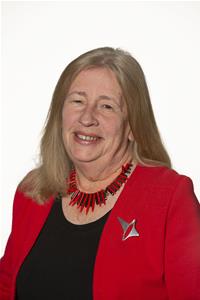



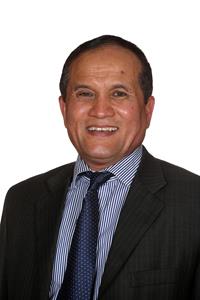





Topics
No topics have been identified for this meeting yet.
Meeting Documents
Agenda
Reports Pack
Additional Documents