Subscribe to updates
You'll receive weekly summaries about Havering Council every week.
If you have any requests or comments please let us know at community@opencouncil.network. We can also provide custom updates on particular topics across councils.
Council Tax Setting, Council - Wednesday, 4th March, 2026 7.30 pm
March 4, 2026 at 7:30 pm Council View on council website Watch video of meeting Read transcript (Professional subscription required)Summary
Open Council Network is an independent organisation. We report on Havering and are not the council. About us
The Council of Havering met on Wednesday, 4 March 2026, to discuss and approve the budget for the 2026/27 financial year, which included setting the Council Tax. After considerable debate, the administration's budget proposal was approved, with an amendment from the Labour Group being rejected.
The Council's Budget 2026/27
The primary focus of the meeting was the approval of the Council's budget for the 2026/27 financial year and the subsequent setting of the Council Tax. Councillor Christopher Wilkins, Cabinet Member for Finance, presented the administration's proposals, highlighting the significant financial challenges facing the council. He detailed a projected budget gap of £65.9 million for 2026/27, which could rise to £77 million in a worst-case scenario. This deficit is attributed to rising costs, particularly in people's services, inflation, and capital financing costs, despite an increase in core spending power and additional grant funding from the government. Councillor Wilkins outlined that the council would need to rely on exceptional financial support (EFS) from the government, with provisional support of £77 million agreed. He also presented a list of achievements by the administration over the past four years, including support for residents during the cost of living crisis, investment in SEND places, social housing, and infrastructure. The administration's proposal included a 4.99% increase in Council Tax.
Councillor Keith Darvill, Leader of the Labour Group, proposed an amendment to the budget, calling for the introduction of a Small and Medium-sized Enterprise (SME) Support Package. This package would be funded by unspent UK Shared Prosperity Fund (UKSPF) and other unspent grants, and would aim to support high streets, digital skills, and micro-grants for SMEs. Councillor Darvill acknowledged the council's straitjacketed financial position but argued that the government needed to recognise the changing population and the increasing demands on statutory services. He noted that the proposed settlement from the government was an improvement but insufficient, and that the three-year delivery period was also a concern.
Councillor Michael White, Leader of the Principal Opposition, criticised the administration's budget, describing it as built on sand.
He highlighted that despite council tax increases, a significant financial gap remained, and that the strategy relied heavily on optimism and hoped-for government intervention. He pointed out that Havering had consistently been underfunded compared to other London boroughs, and that after four years, there was still no clear long-term financial strategy. Councillor White also raised concerns about the Treasury Management Strategy, which he felt relied on optimistic forecasts for interest rates, and the potential refinancing risks if these forecasts proved incorrect. He also noted that the council's own Overview and Scrutiny Committee had raised concerns about the financial modelling and the robustness of projections.
Councillor Martin Goode, representing the East Havering Residents' Group, echoed concerns about the council's precarious financial situation, stating that the budget was reliant on exceptional financial support and that no clear plan for repayment had been presented. He questioned the control the council truly had given its financial state and expressed disappointment that the budget papers were not made available to all members sooner.
Councillor Keith Prince, Leader of the Reform UK Group, stated that his group would not be supporting the Labour amendment, deeming it pie in the sky
due to its reliance on GLA approval. He shared Councillor White's disappointment regarding the administration's perceived adoption of opposition ideas and expressed concerns about the erosion of scrutiny within the council. He also highlighted the significant debt the council was accumulating, which would burden future generations.
During the general debate, various councillors spoke on the budget. Councillor Ray Morgon thanked officers for their work on the budget and reiterated the ongoing fight for fairer funding for Havering, referencing past campaigns and petitions. Councillor Philip Ruck stated he could not vote in favour of the budget, believing it lacked ambition and direction, and that a vote against it would signal a desire for change. Councillor Judith Holt expressed concerns about the length and complexity of the budget papers, which she felt hindered proper scrutiny by councillors and residents. She also raised issues with parking charges and discounts. Councillor Anisha Patel echoed concerns about the lack of a clear long-term strategy and the reliance on assumptions, while Councillor Graham Williamson defended the administration's approach, arguing that a Section 114 notice would be disastrous and that the focus should be on fair funding and debt write-off. Councillor Gillian Ford highlighted the council's achievements in securing external funding for arts, culture, and sports facilities, as well as progress in areas like the autism strategy and well-being initiatives. Councillor Brian Eagling raised concerns about the increasing charges for sports pitches and parking, arguing they were not business-sensible and could lead to lost revenue. Councillor Oscar Ford detailed the progress made in children's services and education, emphasising a commitment to preventative measures and inclusive practice. Councillor Jane Peen acknowledged the impact of Brexit on the budget and highlighted the vital work of council staff, urging support for them. Councillor David Taylor expressed a lack of confidence in the budget due to control issues in temporary accommodation and bad debt provisions, as well as governance and culture concerns. Councillor James Glass expressed his delight that the council had not drawn down any of its loan facility and had not incurred interest payments, applauding the administration for avoiding administration or unsustainable debt.
Following the debate, the Labour Group's amendment was put to a vote and was not carried by 17 votes to 9, with 23 abstentions. The administration's proposals for the budget and Council Tax were then agreed by 31 votes to 4, with 14 abstentions. This decision set the total Council Tax for a Band D property at £2,424.66 for 2026/27, which includes the Mayor of London's precept of £510.51.
Attendees

























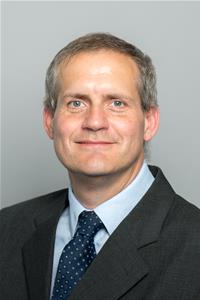




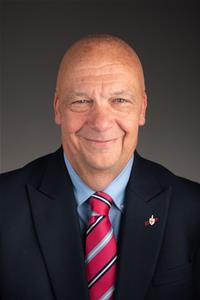


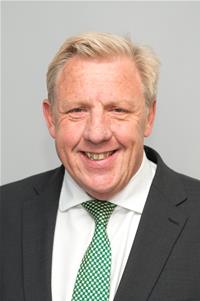


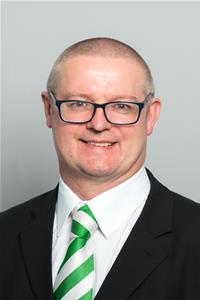

Topics
No topics have been identified for this meeting yet.
Meeting Documents
Reports Pack
Minutes