Subscribe to updates
You'll receive weekly summaries about Leicestershire Council every week.
If you have any requests or comments please let us know at community@opencouncil.network. We can also provide custom updates on particular topics across councils.
Health and Communities Overview and Scrutiny Committee - Wednesday, 9 September 2026 2.00 pm
September 9, 2026 at 2:00 pm Health and Communities Overview and Scrutiny Committee View on council website Watch video of meeting Read transcript (Professional subscription required)Summary
Open Council Network is an independent organisation. We report on Leicestershire and are not the council. About us
The Health and Communities Overview and Scrutiny Committee met to discuss winter pressures, the Healthwatch Leicester and Leicestershire Annual Report, and a performance update on health, public health, and community matters. Key discussions included the preparedness for winter, the impact and future of Healthwatch, and a detailed review of various performance indicators across public health and community services.
Winter Pressures
The committee received an update on preparations for the upcoming winter period. While the full Winter Plan was still under development and due to be considered by the Integrated Care Board (ICB) in September 2026, NHS colleagues provided a verbal overview of ongoing work. This update was intended to reflect lessons learned from the previous winter (2025/26) and outline the approach for 2026/27. Eileen Doyle, Chief Delivery Officer for NHS Leicester, Leicestershire and Rutland Integrated Care Board, was present to provide this update and answer questions. A more detailed review of the final Winter Plan was scheduled for November 2026.
Healthwatch Leicester and Leicestershire Annual Report 2025-26
Fiona Barber from Healthwatch Leicester and Leicestershire presented the organisation's Annual Report for 2025-26. The report detailed Healthwatch's activities, including public engagement, information services, Enter and View
visits to health and social care premises, and the impact of their recommendations. Key achievements highlighted included engagement with over 46,000 people, with 15,000 sharing their experiences, and the publication of 19 reports. The report also outlined Healthwatch's priorities for 2026-27, which include focusing on the Pharmacy First
programme, digital access to NHS services, and tackling health inequalities. The future of Healthwatch itself was also discussed, with ongoing government proposals to potentially abolish local Healthwatch services and transfer functions to local authorities and ICBs.
Health, Public Health and Communities Performance Update
The committee received a comprehensive performance update covering health, public health, and new community-focused metrics. Andy Brown from Business Intelligence and Zafar Saleem, Assistant Chief Executive, presented the report.
Health System Performance: The update noted that while some areas, such as emergency department performance at University Hospitals of Leicester (UHL), were behind plan, others showed improvement. Talking therapies, diagnostic delivery, and primary care appointments were performing well, and there was a significant increase in the use of the Pharmacy First
initiative. Ambulance handover times had improved, and cancer waiting times were meeting or exceeding targets in some areas. However, risks remained concerning operational pressures impacting elective activity and delays in the court of protection affecting length of stay for learning disability and autistic adults.
Public Health Outcomes: The report detailed performance against 42 public health indicators. Of the comparable indicators, 14 were rated green
(performing better than the national average), 18 amber,
and 5 red.
Areas of concern included declining cervical cancer screening rates and high rates of HIV late diagnosis, STI testing, and overweight/obesity prevalence in adults. Conversely, breast and bowel cancer screening rates had improved significantly. The report also highlighted that while life expectancy at birth had increased, healthy life expectancy was still a priority area, with a noted decline.
Better Care Fund and Adult Social Care: Performance against Better Care Fund metrics for 2025/26 was reviewed. While the target for emergency hospital admissions for people aged 65+ was achieved, the proportion of adult patients discharged on their discharge-ready date was below target. Residential admissions for older people had increased, prompting further analysis.
Communities Performance: A new draft dashboard for community performance was presented, reflecting a new strategic plan with communities as a priority theme. Key areas included ensuring communities are safe and resilient, fostering engagement in volunteering and community activity, and improving access to green spaces. The report noted that while satisfaction with local areas as places to live and volunteering rates had increased, the perception that people from different backgrounds get on well together had decreased slightly. The committee also discussed the measurement of community resilience and the development of a joint programme across Leicester, Leicestershire, and Rutland to enhance preparedness for emergencies.
During the discussion on public health indicators, Dr. Dee North raised concerns about the lack of detailed action plans for areas performing poorly, particularly the red
indicators. Mike Sandys, Director of Public Health, explained that detailed improvement plans existed but were not included in the overview report to avoid overwhelming the committee. He also elaborated on the complexities behind some indicators, such as chlamydia rates, which are influenced by low prevalence areas and funding limitations.
The committee also discussed the decline in cervical screening rates, noting it was a national trend, and that detailed answers would require input from health bodies rather than the county council. The increase in residential care admissions was also a point of discussion, with ongoing analytical work to understand the reasons behind it.
The discussion on communities included a question about the methodology and representativeness of the community survey, and the low percentage of residents who felt they could influence local decisions. The committee also explored the concept of community resilience and how it is measured.
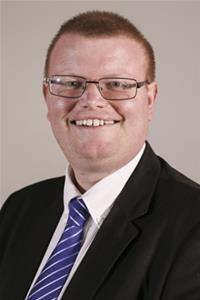
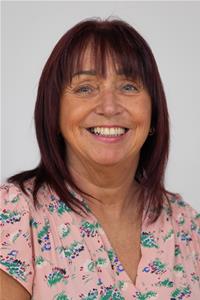
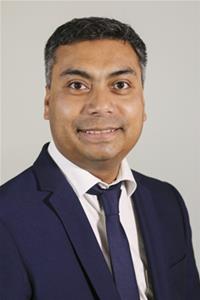
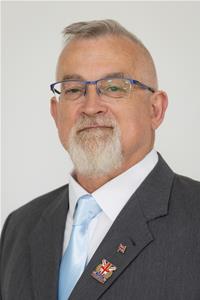
Attendees









Topics
Meeting Documents
Reports Pack
Additional Documents